
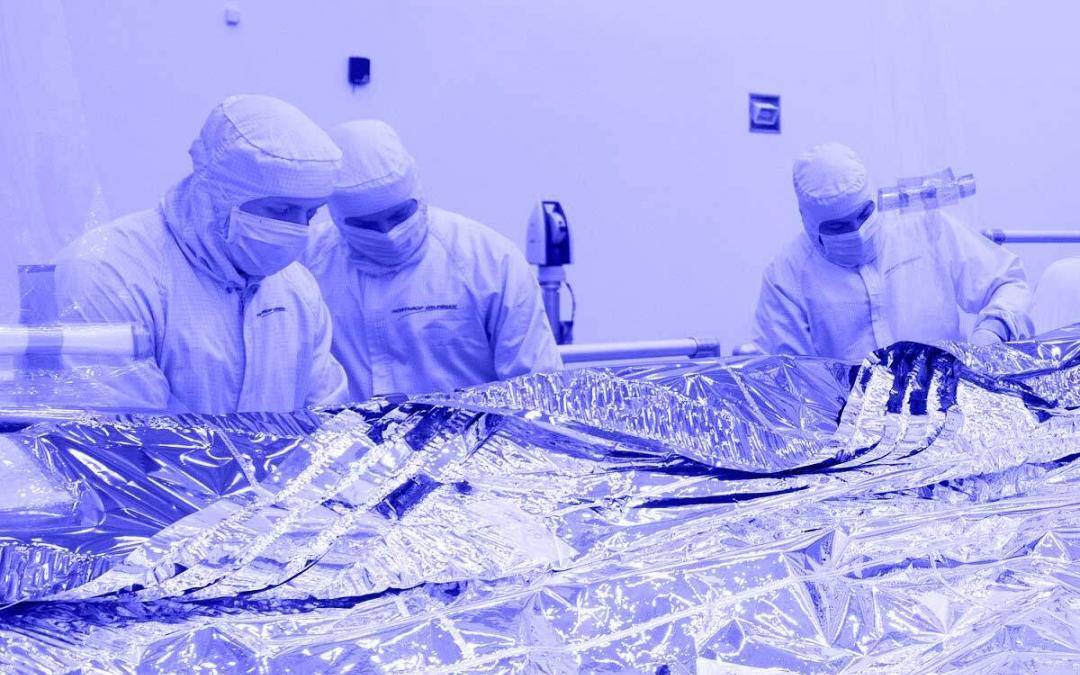
NASA’s Telescope Sunshield Layers Inspected in Aerospace Cleanroom
Technicians and engineers working to ensure the soundness of NASA’s James Webb Space Telescope (JWST) manually lower its folded sunshield layers for easier access and inspection. After being lowered, engineers thoroughly inspect all five layers of the reflective silver-colored sunshield for any issues that may have occurred as a result of acoustic testing.
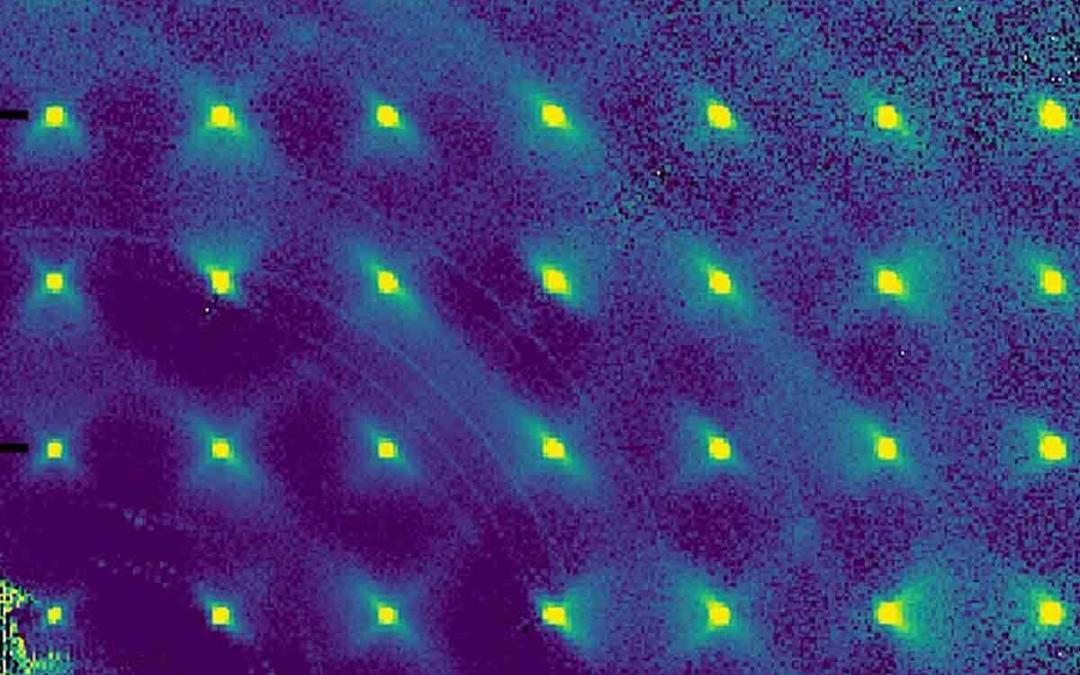
Relaxor Ferroelectrics Materials’ Mechanical & Electrical Properties Excite Researchers
Relaxor ferroelectrics, which are often lead-based. These materials have mechanical and electrical properties that are useful in applications such as sonar and ultrasound. The more scientists understand about the internal structure of relaxor ferroelectrics, the better materials we can develop for these and other applications.
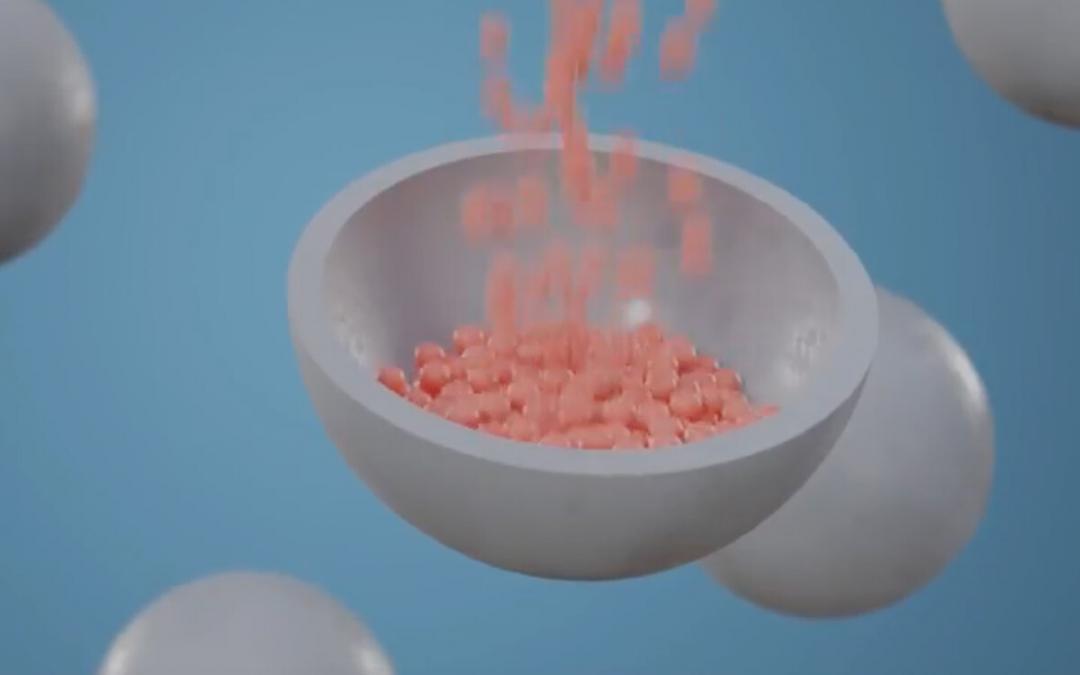
Drug-Filled Nanocarriers United With Immune Cells
Scientists at the Mainz University Medical Center and the Max Planck Institute for Polymer Research (MPI-P) have developed a new method to enable miniature drug-filled nanocarriers to dock on to immune cells, which in turn attack tumors.
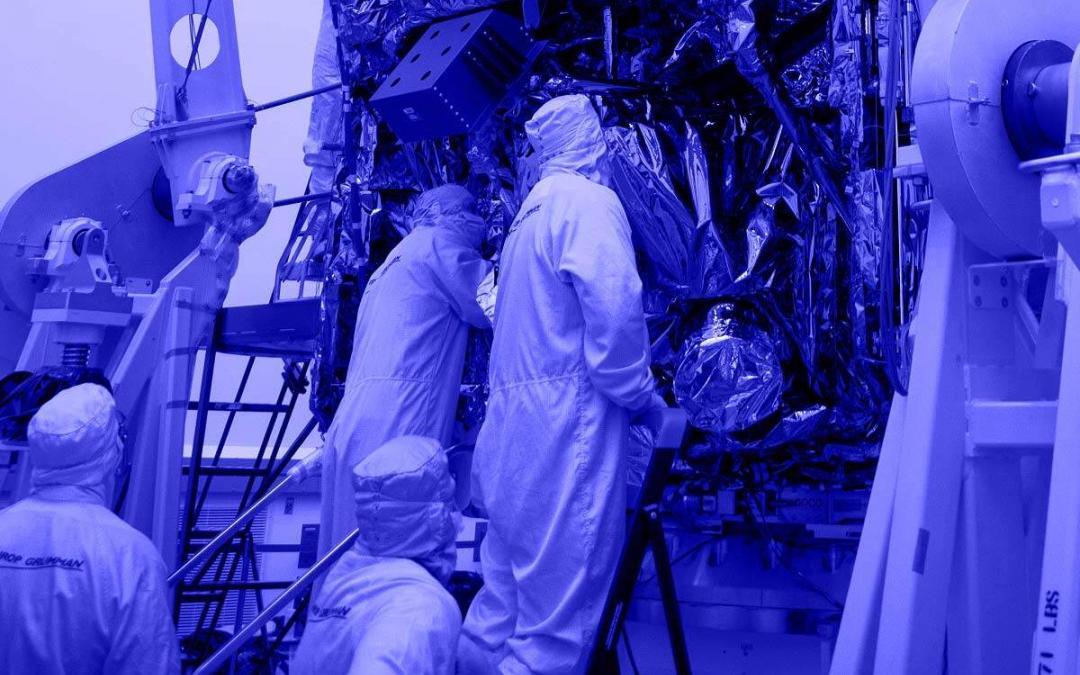
Inside the Cleanroom of NASA’s James Webb Space Telescope
The James Webb Space Telescope will observe primarily the infrared light from faint and very distant objects. In order to be able to detect those faint heat signals, the telescope itself must be kept extremely cold. To protect the telescope from external sources of light and heat (like the Sun, Earth, and Moon) as well as from heat emitted by the observatory itself

Prosthetic Heart Valves Design Inspired by Dragonfly Larvae
The dragonfly larva is the only insect that uses jet propulsion to move and the only arthropod known to use reciprocal jetting—inhaling and exhaling through the same orifice—for underwater breathing,” says Roh, the lead author of a paper on the larval jets that was published online by the journal Bioinspiration & Biomimeticson May 30.
Polymers That Are Controlled By Light Can Switch Between Sturdy & Soft
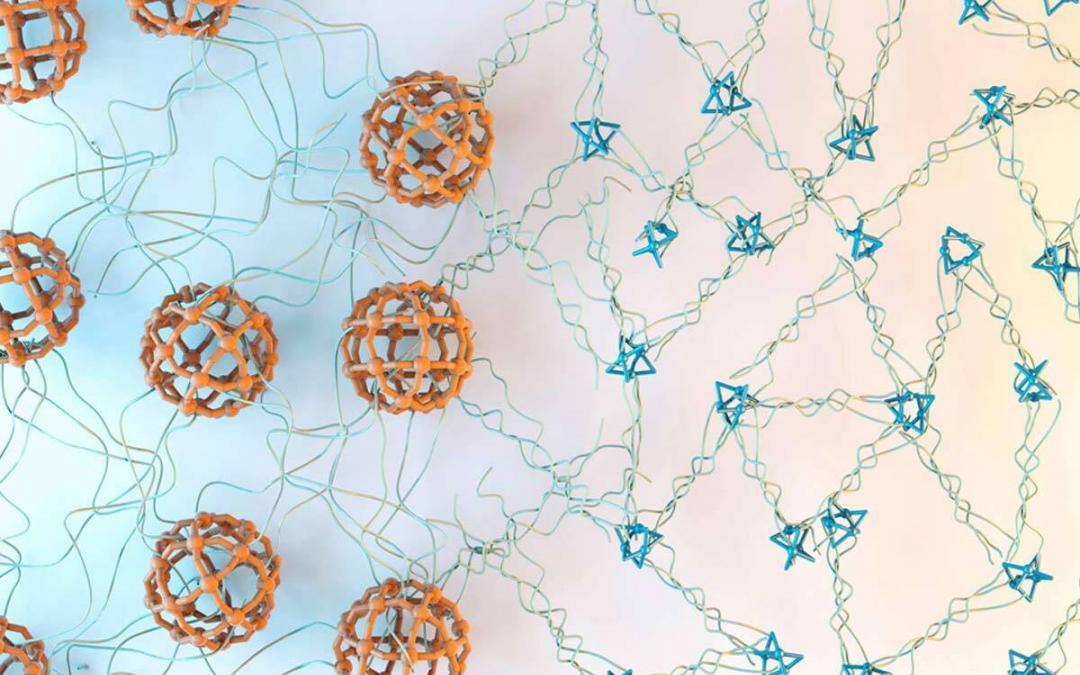
MIT researchers have designed a polymer material that can change its structure in response to light, converting from a rigid substance to a softer one that can heal itself when damaged.
Moderna Opens Manufacturing Facility for mRNA Therapeutics
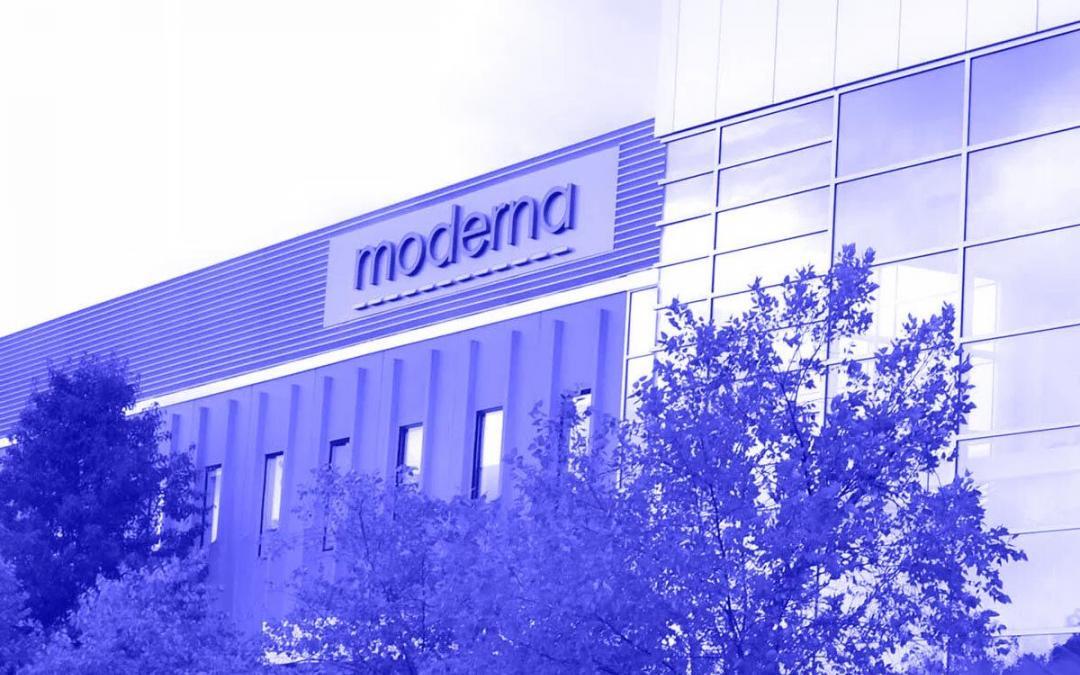
the manufacturing facility was designed to achieve Leadership in Energy and Environmental Design (LEED) certification. Moderna is limiting energy use with advanced energy metering, LED lighting, and systems designed to reduce water usage by up to 25%.
Overhead Hoist Transport Devices Drive Materials in Semiconductor Manufacturing Facility
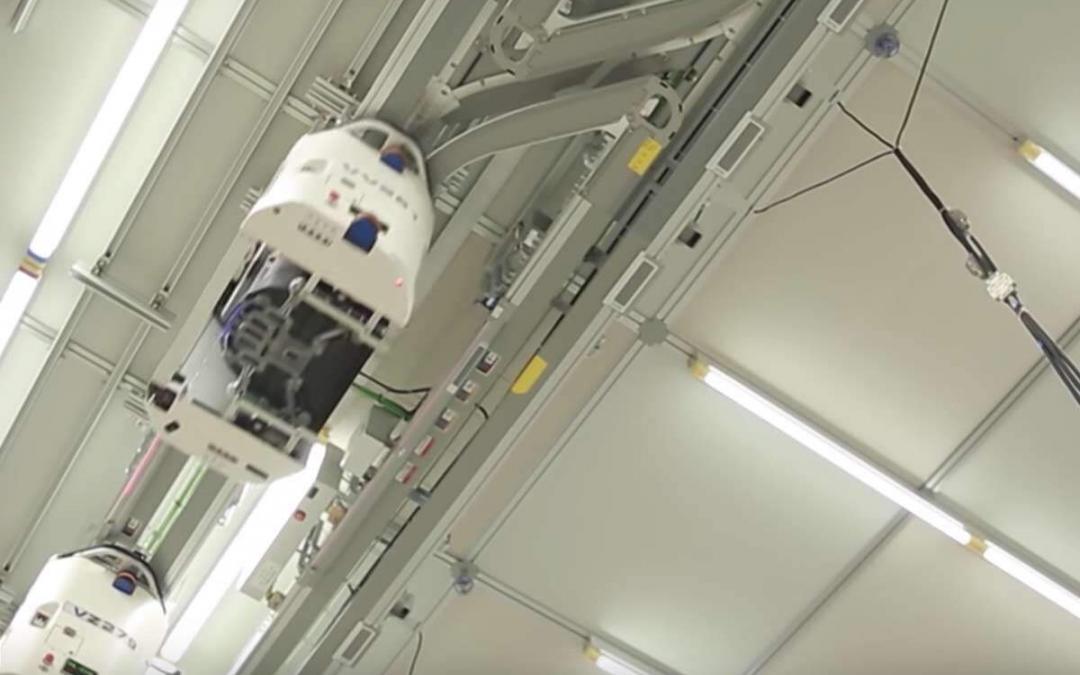
Self-driving cars sit at the intersection of artificial intelligence and the automobile industry, presenting an exciting new opportunity for transportation. While the commercialization of autonomous driving awaits technological refinement and regulation, Samsung Electronics’ semiconductor production lines are already utilizing systems that share similarities with self-driving technologies.

Lilly Diabetes helpline Assists People Seeking Affordable Insulin
Lilly Diabetes Solution Center will assist people who need help paying for their insulin – such as those with lower incomes, the uninsured, and people in the deductible phase of their high-deductible insurance plans, Eli Lilly and Company (NYSE: LLY) announced today. A customized suite of solutions for all Lilly insulins, including for Humalog® (insulin lispro), will be used by helpline operators to find answers that best fit the personal circumstances of patients.
Prudential Cleanroom Services Opens Laundry Processing Facility
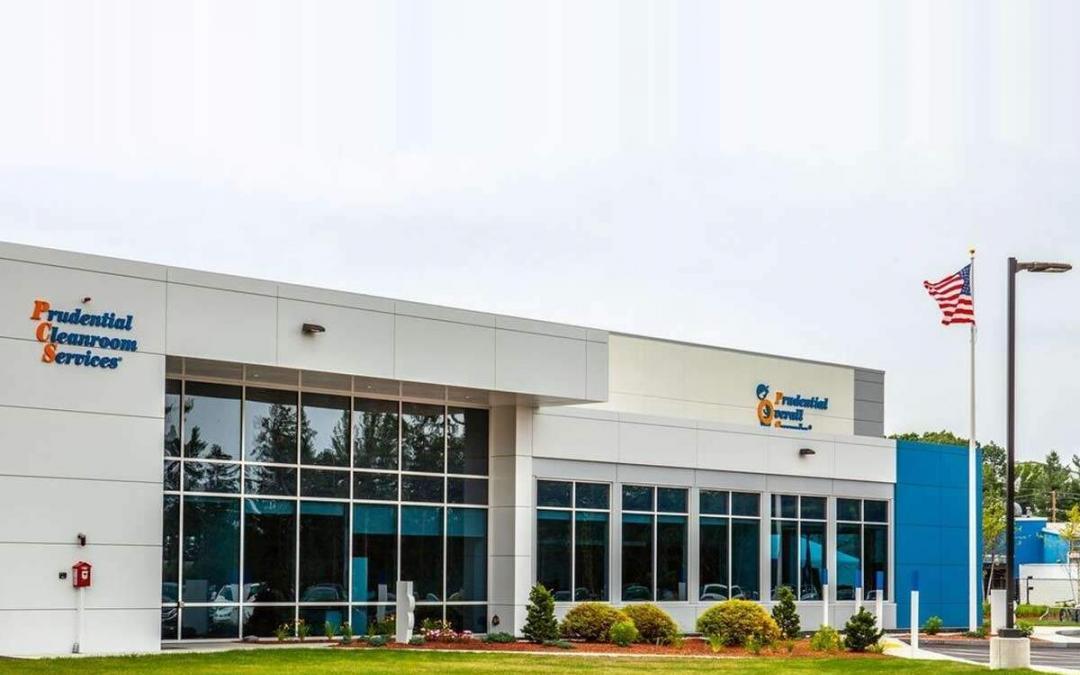
The project is a 131,371-square-foot commercial laundry facility on a 14.23-acre tract. Prudential says it completed the first of three phases: building a one-story facility that includes offices, industrial space, employee areas and loading docks, with 136 parking spaces on-site for staff.
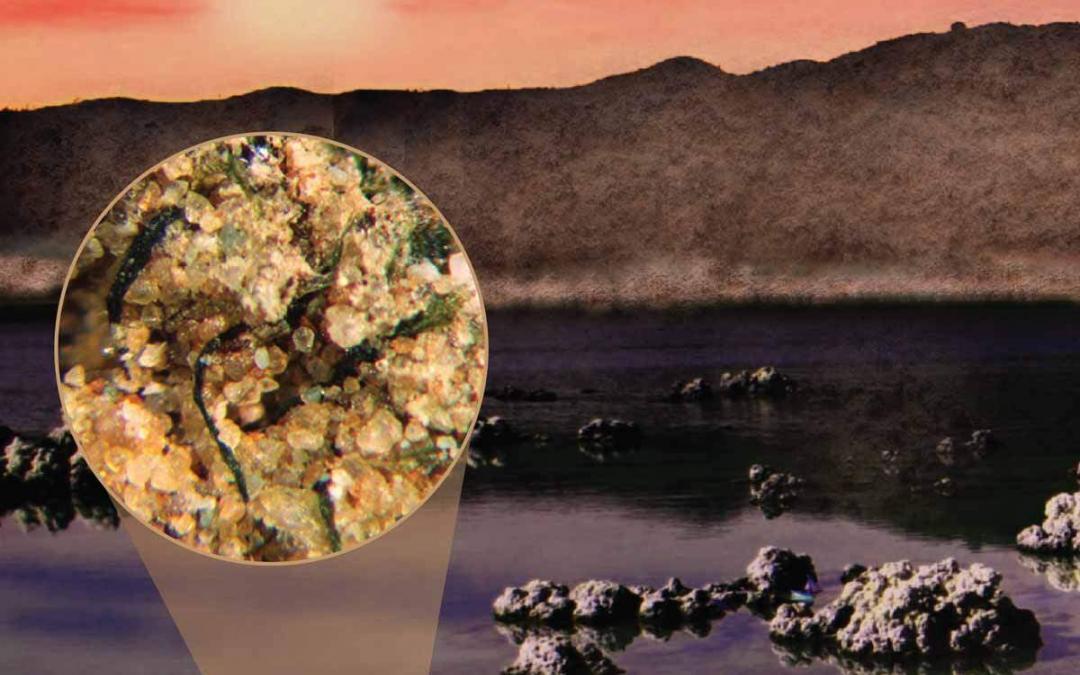
Ancient Biocrust’s Microorganisms Helped Seas With Nitrogen
Like our oceans, today’s continents are brimming with life. Yet billions of years ago, before the advent of plants, continents would have appeared barren. These apparently vacant land forms were believed to play no role in the early biochemical clockwork known as the nitrogen cycle, which most living things depend on for survival. Researchers discover ancient biocrusts played an important role in the nitrogen cycle.